
Key Takeaways
- Hurricane season runs June 1 to November 30. Storm risk peaks from mid-August through mid-October.
- Orlando sits about 50 miles inland, so most storms arrive weakened, but flooding, fallen trees, and power outages still happen.
- Build a 3 to 5 day buffer into your move timeline and get your mover’s weather and deposit policy in writing.
- Water and humidity are the real threat to belongings. Use plastic bins for valuables and choose elevated, climate-controlled storage.
- If a tropical storm or hurricane warning covers your county, expect the move to be postponed. Moving earlier is often the best option.
Atlantic hurricane season runs from June 1 to November 30, with activity typically peaking from mid-August through October. In Central Florida, that window overlaps with some of the busiest moving months of the year: summer relocations, school-year moves, and the fall arrival of northern transplants.
The good news: Orlando sits about 50 miles inland from both coasts. Storms usually weaken by the time they reach the metro, and direct catastrophic hits are rare. But recent storms like Ian (2022) and Milton (2024) showed that inland Orlando still gets flooding, downed trees, tornado warnings, and multi-day power outages.
If your move falls in hurricane season, you don’t need to panic. You need a plan.
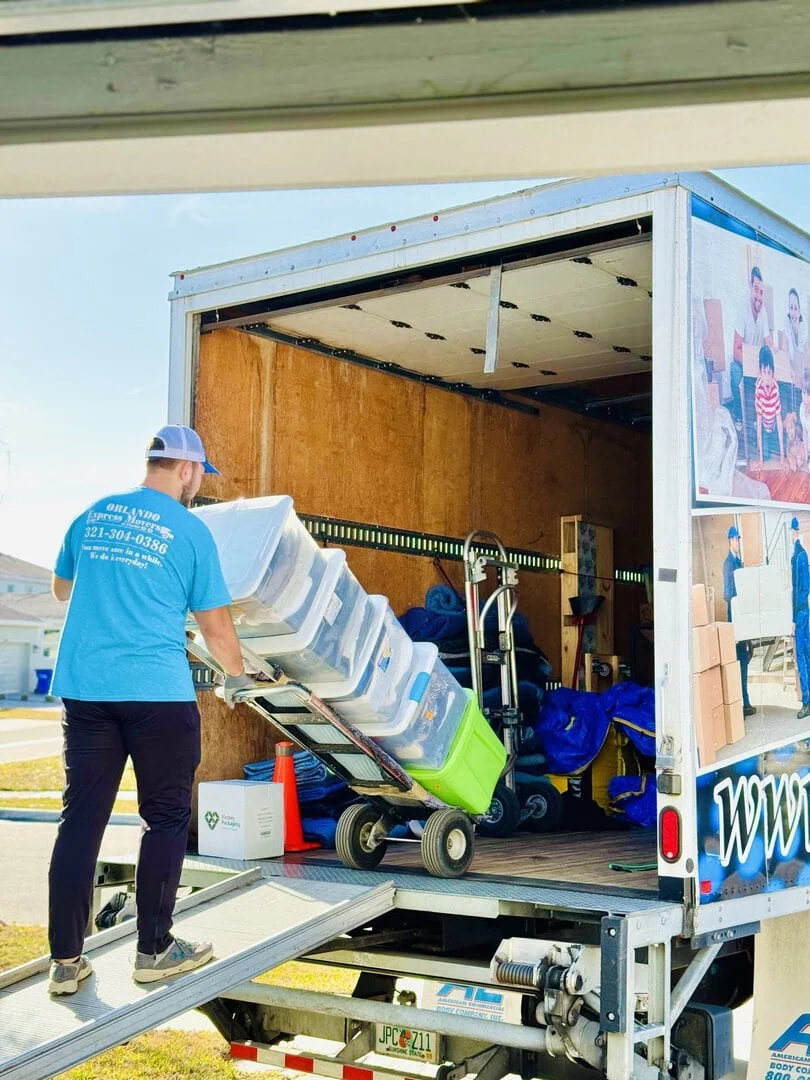
Should You Avoid Moving During Hurricane Season?
Not necessarily. Most days during hurricane season are ordinary Florida days: hot, humid, with afternoon thunderstorms. Storms usually come with several days of forecast warning, which gives you time to adjust.
- Lower-risk months: June, July, and November
- Highest-risk window: mid-August through mid-October
If your dates are flexible, early summer or November moves carry less storm risk. Our guide to the best time to move in Orlando covers how season also affects pricing. If your dates aren’t flexible (lease end, closing date, job start), the strategies below keep you protected.
Before You Book: Questions to Ask Your Mover
Ask these during the estimate, not when a storm is already on the radar:
- What is your weather rescheduling policy?
- Is my deposit refundable or transferable if a storm forces a delay?
- At what point do you postpone a move for safety (tropical storm warning, hurricane watch, official evacuation)?
- How quickly can you rebook after a storm passes?
- What does my valuation coverage include if items are damaged by weather in transit?
Get the answers in writing. A reputable Florida mover will have clear answers. A vague answer is a warning sign.
Quick check: Every mover operating within Florida must be registered with the Florida Department of Agriculture and Consumer Services. Look for an “IM” registration number on the mover’s website and estimate.
Build a Buffer Into Your Timeline
The biggest hurricane-season mistake is scheduling with zero margin. Plan for a 3 to 5 day cushion where possible:
- Overlap your old and new lease or closing by a few days
- Avoid booking the move for the last possible day before you must vacate
- Ask your landlord in advance what happens if a storm delays move-out
- If buying, ask your agent how storms affect closings
That last point catches many buyers off guard. When a named storm threatens Florida, insurers often pause writing new policies. No insurance usually means no closing, and no closing means no move-in.
What Happens If a Storm Threatens Your Move Date
5 to 7 Days Out
Monitor the National Hurricane Center forecast cone. Call your mover and confirm their storm policy. Don’t cancel yet; forecasts shift.
3 Days Out
If Orlando is in the forecast cone, discuss options with your mover: move earlier, hold the date, or reschedule. Moving earlier is often the best choice if the crew and your new home are available.
1 to 2 Days Out
If a tropical storm or hurricane watch or warning covers Orange County, expect the move to be postponed. Crews won’t drive loaded trucks in high winds, and they shouldn’t.
If Your Belongings Are Already Loaded
A loaded truck should be parked in a secure, sheltered location until conditions are safe. Ask your mover where trucks go during storms and confirm your items stay sealed and covered.
Orlando Express Movers has worked through every hurricane season since 2009. Get clear weather policies and a free quote before you book.
Protecting Your Belongings From Storm Damage
Florida’s real moving threat usually isn’t wind. It’s water and humidity.
Packing
- Use plastic bins for documents, photos, electronics, and anything irreplaceable
- Seal cardboard boxes fully on top and bottom
- Wrap mattresses and upholstered furniture in plastic covers
- Keep boxes off garage floors, which flood first
Storage
If you need storage between homes during storm season, choose a climate-controlled unit on an upper floor or raised level. Ground-level units in flood-prone areas are the first to take water. Climate-controlled storage in the Orlando area generally runs about $100 to $250 per month, depending on size.
Valuation Coverage
Basic carrier liability is limited, often around 60 cents per pound per item. A 50-pound TV would be covered for about $30. During storm season, consider full value protection, which typically costs about 1 to 2% of your shipment’s declared value. Also check what your homeowner’s or renter’s insurance covers during transit. Our Orlando moving cost guide breaks down what else to budget for.
Your Hurricane-Season Moving Kit
Pack this separately and keep it with you, not on the truck:
- Important documents in a waterproof folder (IDs, lease or closing papers, insurance policies)
- Medications for at least one week
- Phone chargers and a portable power bank
- Flashlights and batteries
- Bottled water (1 gallon per person per day for 3 days)
- Non-perishable snacks
- Cash (ATMs and card readers fail during outages)
- Pet supplies, if applicable
Bonus: this kit becomes your hurricane kit once you’re settled.
Your First Week in the New Home
If you moved in during hurricane season, prepare right away:
- Know your zones: Check your evacuation zone and flood zone through your county’s emergency management office (Orange, Seminole, or Osceola). Most Orlando addresses won’t need to evacuate, but mobile homes and flood-prone areas may.
- Find the shutoffs: Locate your main water valve and electrical panel.
- Clear the yard: Patio furniture and planters become projectiles in high winds. Have a spot in the garage ready.
- Check the trees: Dead branches over the roof are a common source of storm damage.
- Sign up for alerts: Register for your county’s emergency notifications.
- Review insurance: Florida homeowner’s policies often have separate hurricane deductibles. Know yours before you need it.
Moving to Orlando From Out of State?
Many newcomers arrive during hurricane season and have never prepared for a storm. A few things locals know:
- Gas stations and grocery stores empty 2 to 3 days before a forecasted hit. Shop early.
- Keep your car’s tank at least half full from August through October.
- Power outages after a storm can last hours or days. A generator isn’t required, but battery backups help.
- Most storms bring heavy rain, wind, and a day or two of disruption, not disaster. Prepared residents get through them easily.
Relocating from up north? Read our guides on moving to Orlando from New York and what northerners need to know about Florida living.
Hurricane-Season Moving Checklist
When Booking
- Ask about weather and deposit policies in writing
- Build a 3 to 5 day buffer into your timeline
- Consider full value protection
One Week Before
- Monitor the National Hurricane Center forecast
- Pack valuables and documents in waterproof bins
- Prepare your storm and moving kit
If a Storm Approaches
- Contact your mover early
- Consider moving earlier rather than later
- Never move during an active warning
After Moving In
- Check evacuation and flood zones
- Locate shutoffs
- Review insurance and hurricane deductibles
For the full timeline, use our Orlando moving checklist.
Moving With Orlando Express Movers During Storm Season
Orlando Express Movers has moved Central Florida families since 2009, through every hurricane season since. We watch the forecasts so you don’t have to guess.
- Clear weather policies: We explain what happens if a storm affects your date before you book.
- Proactive communication: If a storm develops, we contact you early with options.
- Safety first: We don’t put your belongings or our crews on the road in dangerous conditions.
- Fast rebooking: When a storm passes, we prioritize getting delayed moves back on the schedule.
- Licensed and insured: Florida Mover Reg. IM2690.
Frequently Asked Questions
Is it safe to move to Orlando during hurricane season?
Yes, for most people. Most days during hurricane season are ordinary hot, humid days with afternoon thunderstorms. Storms usually come with several days of forecast warning, and Orlando’s inland location means they typically arrive weakened. The key is building a few days of flexibility into your plan.
Will movers reschedule if a hurricane is coming?
Reputable movers will postpone when a tropical storm or hurricane warning covers the area, because driving loaded trucks in high winds is unsafe. Policies on deposits and rebooking vary, so ask for your mover’s weather policy in writing before you book.
What is the safest time to move during hurricane season?
June, July, and November carry the lowest storm risk. The highest-risk window is mid-August through mid-October. If your dates are flexible, early summer or November is the safer choice.
Does moving insurance cover hurricane damage?
It depends on your coverage. Basic carrier liability is limited, often around 60 cents per pound per item, and many moving contracts limit liability for weather events. Ask your mover what their valuation options cover, and check whether your homeowner’s or renter’s insurance covers belongings in transit.
Hurricane season doesn’t have to derail your move. Build in a buffer, ask the right questions upfront, and pack for Florida weather. Most moves go off without a single cloud.
Orlando Express Movers is a licensed Florida moving company (Reg. IM2690) serving Central Florida since 2009. Tell us your dates and we will help you plan around the season.