
Life doesn’t always give you eight weeks to plan a move. Sometimes you need to relocate today, tomorrow, or within 72 hours. Whether it’s an eviction, a domestic emergency, a sudden job transfer, or an unexpected crisis, emergency moves require speed, flexibility, and focus.
According to moving industry data, approximately 15-20% of all moves are classified as “last-minute” (less than one week notice), with 5% being true emergencies requiring relocation within 24-48 hours.
This guide addresses the reality of emergency moves: higher costs, less control, more stress, but ultimately—getting you to safety or your new location quickly.
Common Emergency Move Scenarios
Eviction: 30-day notice expired, or even shorter in some cases. You must vacate immediately.
Domestic Situations: Leaving an unsafe relationship requires immediate, confidential relocation for your safety.
Sudden Job Relocation: “You start Monday in another city” with only days to relocate.
Family Emergencies: Caring for a sick relative, death in family, or other urgent family needs requiring immediate move.
Natural Disasters: Property damage from fire, flood, or severe weather making home uninhabitable.
Condemned Property: Building declared unsafe, requiring immediate evacuation.
Foreclosure: Bank taking possession with minimal notice.
Unexpected Lease Termination: Landlord selling property or other urgent lease ending.

What Makes Emergency Moves Different
No Time to Plan: Standard moves have 4-8 weeks planning time. Emergency moves have days or hours.
Limited Packing: You can’t carefully pack and organize. It’s survival mode—grab essentials, pack fast, go.
Higher Costs: Moving companies charge 25-50% premiums for same-day or 24-hour notice. Your negotiating power is zero.
Emotional Stress: Emergency moves usually happen during crisis. You’re making decisions under extreme stress and pressure.
Safety Concerns: Some emergency moves involve leaving dangerous situations. Speed and discretion matter more than organization.
Finding Movers on Short Notice
Reality Check: Most moving companies require 2+ weeks notice. During peak season (May-September), they’re booked 4-6 weeks out.
Your Options:
Call Multiple Companies Immediately: Contact 5-10 moving companies. Ask specifically about emergency or last-minute availability.
Be Flexible on Timing: If you need to move “this week,” weekday mornings have better availability than weekends.
Consider Smaller Companies: Large national chains are often fully booked. Smaller local movers may have flexibility.
Expect Premium Pricing:
- Same-day move: 50%+ premium
- 24-hour notice: 35-50% premium
- 48-72 hour notice: 25-35% premium
- One week notice: 15-25% premium
Example: Standard $800 local move becomes $1,200-$1,400 for same-day emergency service.
Last Resort Options:
Labor-Only Services: If you can’t find full-service movers, hire labor-only services (TaskRabbit, local day labor) and rent a truck yourself.
Cost: $25-$40/hour per helper, plus truck rental ($50-$150/day)
Friends and Family: Offer payment ($100-$200) plus food and drinks for emergency help.
Emergency Moving Costs
Same-Day Emergency Move (Local, 2-Bedroom):
- Professional movers with premium: $1,200-$1,800
- Truck rental + labor: $400-$700
- Packing supplies (minimal): $50-$100
- Total: $1,250-$1,900
Storage (if needed): Can’t move directly to new home? Storage units provide a bridge.
- Small unit (5×10): $100-$150/month
- Medium unit (10×10): $150-$250/month
Temporary Housing:
- Hotel: $80-$150/night
- Extended stay: $60-$100/night (weekly rates)
- Short-term rental: $50-$100/night
Rapid Packing Strategies
You Don’t Have Time for Perfect:
Priority System:
Level 1: Critical Items (Pack First)
- Important documents (birth certificates, Social Security cards, passports, lease/mortgage papers)
- Medications (prescription and over-the-counter)
- Valuables (jewelry, electronics, cash)
- Essential toiletries
- Phone chargers
- Keys
Level 2: Immediate Needs (Pack Second)
- Clothes for 1-2 weeks
- Bedding (sheets, pillows, blankets)
- Basic kitchen items (plates, utensils, pots, pans)
- Work essentials (laptop, files, tools)
Level 3: Everything Else (Pack Last)
- Additional clothing
- Books and media
- Decorative items
- Non-essential kitchen items
Trash Bag Method:
For clothes: Use large trash bags. Pull clothes off hangers directly into bags or leave on hangers and wrap in bags. Fast, easy, and you can carry multiple bags.
Box Labeling: Don’t worry about detailed labels. Use broad categories:
- Kitchen
- Bedroom
- Bathroom
- Living Room
What to Leave Behind:
In true emergencies, leave:
- Broken items
- Duplicate items
- Low-value items
- Things that cost more to move than replace
- Non-essential decorations
You can always retrieve items later or replace them. Your immediate priority is getting out.
What to Prioritize in Emergency Moves
Immediate Safety:
If you’re leaving a dangerous situation:
- Your safety comes first
- Take children and pets
- Don’t worry about belongings
- Contact police if needed for escort during move
- Don’t share your new address with anyone unsafe
Important Documents:
Never Leave Without:
- Birth certificates
- Social Security cards
- Passports
- Driver’s licenses
- Insurance policies
- Medical records
- Financial documents
- Lease or mortgage papers
- Children’s school records
Keep these in a waterproof folder in your personal vehicle, never on the moving truck.
Medications:
All prescriptions, medical equipment, and critical supplies must go with you, not on the truck.
Valuables:
Jewelry, electronics, cash, and irreplaceable items travel with you in your personal vehicle.
Sentimental Items:
If possible, grab photos, children’s special items, and irreplaceable mementos. Everything else can be replaced.
Temporary Housing Solutions
If Your New Home Isn’t Ready:
Hotels: $80-$150/night in Orlando. Extended stays offer better weekly rates.
Extended Stay Hotels:
- Homewood Suites
- Residence Inn
- Extended Stay America Cost: $60-$100/night with weekly rates
Short-Term Rentals: Airbnb or Vrbo for 1-4 weeks. More expensive but more space and privacy. Cost: $50-$150/night
Friends or Family: If available, this is the most affordable option. Offer to pay for groceries and help with household tasks.
Shelters (If Needed): For those fleeing domestic violence or experiencing homelessness:
- Harbor House of Central Florida: (407) 886-2856
- Homeless Services Network of Central Florida
- Coalition for the Homeless of Central Florida
Storage for Items You Can’t Take Immediately
Why Storage Makes Sense:
Emergency moves often mean:
- Your new place isn’t ready yet
- New place is smaller than current home
- You need time to sort through belongings
- You’re in temporary housing
Orlando Storage Options:
Public Storage, Extra Space Storage, U-Haul Storage:
- 5×5 unit (closet-sized): $50-$80/month
- 5×10 unit (small bedroom): $80-$120/month
- 10×10 unit (bedroom): $120-$180/month
- 10×20 unit (1-car garage): $180-$280/month
Climate-Controlled Units: Add $20-$50/month but protect belongings from Orlando’s heat and humidity.
First Month Often Discounted: Many facilities offer first month free or 50% off. Take advantage for short-term storage during transition.
Orlando Resources for Emergency Situations
Domestic Violence Resources:
- Harbor House of Central Florida: 24/7 hotline (407) 886-2856
- The Salvation Army Safe House
- National Domestic Violence Hotline: 1-800-799-7233
These organizations can help with emergency housing, moving assistance, and safety planning.
Housing Assistance:
- Heart of Florida United Way: 211 helpline
- Catholic Charities of Central Florida
- Homeless Services Network
- Orange County Housing and Community Development
Legal Aid:
- Legal Aid Society of the OCBA (free legal help for eviction, domestic issues)
- Orange County Bar Association referrals
- Community Law Program
Financial Assistance:
- Emergency financial aid through United Way 211
- Local churches and religious organizations often have emergency funds
- Community assistance programs
Mental Health Crisis:
- Crisis Text Line: Text HOME to 741741
- National Suicide Prevention Lifeline: 1-800-273-8255
- Central Florida Behavioral Health Network: (407) 245-0014
Recovery After Emergency Moves
First 48 Hours:
Immediate Tasks:
- Find essentials in boxes
- Set up beds
- Establish basic kitchen function
- Locate toiletries and medications
- Ensure safety (change locks if needed)
First Week:
Stabilization:
- Unpack critical items
- Establish routines
- Connect utilities if not already done
- Update addresses for essential services
- Enroll children in school if applicable
First Month:
Normalization:
- Complete unpacking
- Establish new routines
- Connect with support systems
- Address legal/financial issues that caused emergency move
- Begin processing the emotional impact
Emotional Recovery:
Emergency moves are traumatic, even when they lead to better situations.
Common Feelings:
- Relief mixed with grief
- Anxiety about instability
- Anger at circumstances
- Overwhelm from decisions made under pressure
- Shame or embarrassment
Healthy Coping:
- Give yourself grace
- Seek counseling or support groups
- Maintain routines for stability
- Connect with supportive friends and family
- Don’t isolate yourself
Allow Time: Recovery from crisis takes months, not days. Be patient with yourself.
What’s Realistic in Emergency Timeframes
24 Hours:
- Pack essentials only
- Rent truck or find movers with same-day availability
- Move to temporary housing or storage
- Take only what fits in one truck load
48-72 Hours:
- Pack more comprehensively but still quickly
- Secure movers or help
- Possibly move directly to new home
- Get most belongings moved (not all)
One Week:
- Pack almost everything
- Find movers with better rates
- Move most or all belongings
- Set up new home more completely
Set Realistic Expectations: You won’t achieve the organization and completeness of a planned move. That’s okay. The goal is getting you relocated safely and quickly.
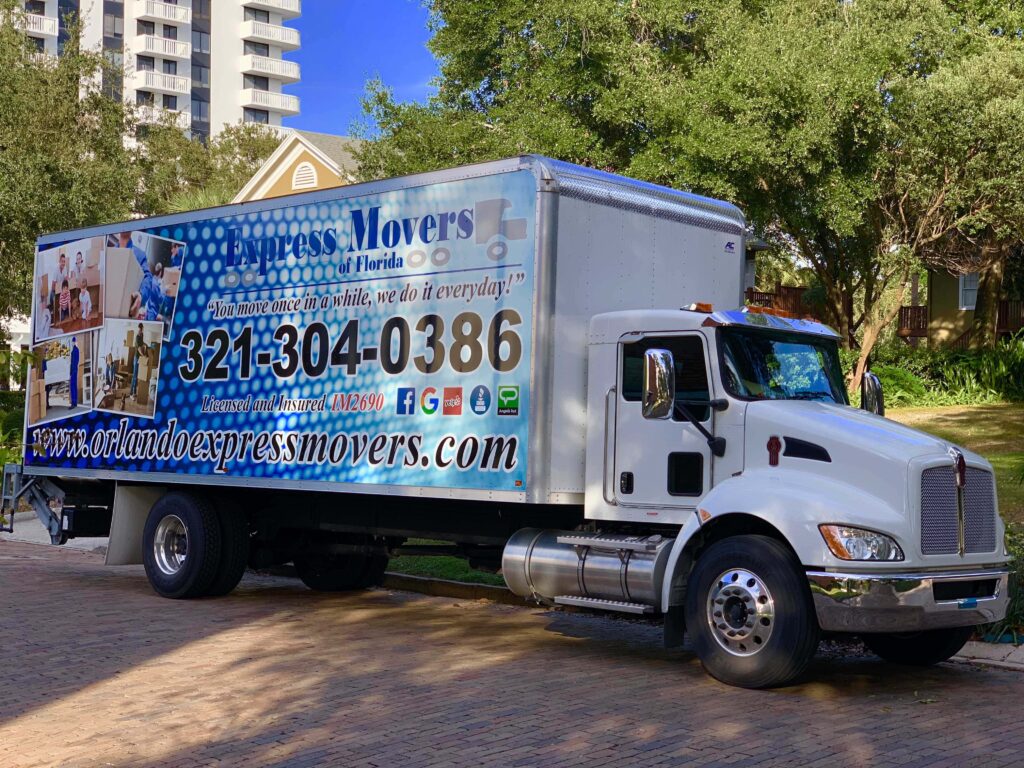
Orlando Express Movers for Emergency Relocations
At Orlando Express Movers, we understand that emergencies happen. While we can’t always accommodate same-day requests (especially during peak season), we do everything possible to help those in urgent situations.
Our Emergency Moving Support:
Call Us Immediately: We’ll tell you honestly about our availability and work to fit you in if possible.
Flexible Options: If we can’t do full-service, we can often provide labor-only help or connect you with resources.
Compassionate Service: We understand emergency moves are stressful. We work quickly and efficiently without judgment about circumstances.
Clear Pricing: We’re upfront about emergency move costs. No surprise fees during a crisis.
Discretion: We respect confidentiality, especially for sensitive situations.
While we recommend 2+ weeks notice when possible, we’ve successfully helped many people through emergency relocations and understand that life doesn’t always allow for planning.

You Can Get Through This
Emergency moves are overwhelming, stressful, and expensive. But thousands of people navigate them successfully every year.
Remember:
- Your safety and wellbeing come first
- Belongings can be replaced
- It’s okay if the move isn’t perfect
- Ask for help when you need it
- Things will stabilize with time
One day, this emergency will be in your past. You’ll have a new home, a new routine, and this crisis will be a chapter you survived.
Contact Orlando Express Movers if you need emergency moving assistance. Call us immediately, explain your situation, and we’ll do everything we can to help.
Call us now if you’re facing an urgent move. We’re here to help during your crisis.