
For most pet owners, their animals aren’t just pets – they’re family members. And just like human family members, pets experience stress and anxiety during moves. According to the American Veterinary Medical Association, approximately 67% of U.S. households own pets, meaning millions of animals relocate with their families each year.
The disruption to their routine, unfamiliar sounds of packing, and changing environments can be overwhelming for even the most laid-back animal. Studies show that up to 60% of pets exhibit stress-related behavioral changes during moves, and the ASPCA reports that move-related escapes are among the top reasons pets end up in shelters.
Whether you have dogs, cats, birds, or other pets, moving requires special planning to keep them safe, calm, and comfortable throughout the transition.
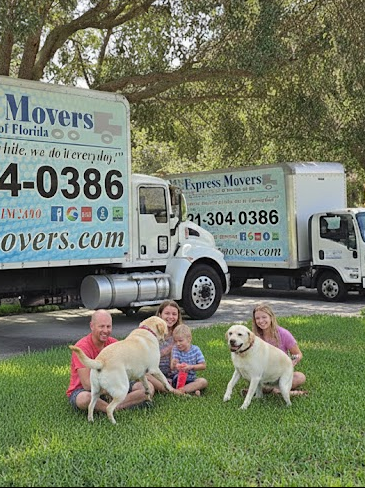
Understanding Pet Stress During Moves
Animals are creatures of habit. Their sense of security comes from familiar routines, scents, and environments. Moving disrupts all of this simultaneously.
Common Signs of Moving Stress in Pets:
Dogs:
- Excessive barking or whining
- Destructive behavior
- Loss of appetite (affects 30-40% of dogs during moves)
- Hiding or clingy behavior
- House-training accidents
Cats:
- Hiding for extended periods (cats can hide for 24-48 hours in new environments)
- Refusing to eat
- Excessive grooming or scratching
- Aggression or irritability
- Litter box problems (reported in 45% of moved cats)
Small Pets and Birds:
- Hiding constantly
- Refusing food
- Unusual lethargy
- Feather plucking (affects 20-30% of relocated birds)
Recognizing these signs helps you intervene early and provide extra comfort.
Pre-Move Preparation (3-4 Weeks Before)
Visit Your Veterinarian
Essential Tasks:
- Get a health check-up and ensure vaccinations are current
- Request copies of medical records
- Ask for calming medication recommendations if needed (15-20% of pets benefit from anti-anxiety medication during moves)
- Update microchip information with your new address
- Get a health certificate if moving long-distance (required for air travel and some interstate moves)
Critical Statistic: According to the American Humane Association, only 22% of lost dogs and 2% of lost cats without microchips are reunited with their owners, compared to 52% of microchipped dogs and 38% of microchipped cats.
Finding a New Vet in Orlando:
Start researching veterinarians in your new neighborhood before you move. Orlando has over 200 veterinary clinics, with average appointment wait times of 1-2 weeks for new patients.
Update Identification
Critical Safety Measures:
Microchip: Update your pet’s microchip registration with your new address and phone number. This is your pet’s best chance of being returned if they escape during the move.
ID Tags: Order new tags with your new address and phone number. During the move itself, include a temporary tag with your cell phone number.
Important Fact: The first 72 hours after a move are when pets are most likely to escape, with approximately 1 in 3 pets attempting to “return home” to their previous residence.
Maintain Routine
In the weeks leading up to your move, keep your pet’s routine as normal as possible. Research shows that pets with consistent routines experience 40% less stress during transitions.
Gradual Acclimation to Moving Supplies
Introduce moving boxes and packing materials gradually. Let pets investigate boxes and get comfortable with their presence. This reduces anxiety when packing intensifies.
Moving Day Strategy
Moving day is the most stressful for pets. The ASPCA reports that moving day accounts for approximately 30% of all pet escapes.
Best Option: Pet Sitter or Boarding
Ideal Solution:
If possible, arrange for pets to stay with a friend, family member, or boarding facility on moving day. Studies show pets removed from moving day activity experience 60% less stress than those present during the move.
Benefits:
- No risk of escape through open doors
- You can focus on the move without worrying about pet safety
- Pets maintain some routine and normalcy
If Pets Must Be Present
Safety Protocol:
Secure Space:
- Confine pets to a bathroom or bedroom far from moving activity
- Place clear “DO NOT OPEN – PETS INSIDE” signs on the door
- Include water, food, bed, and toys
- For cats, include litter box
Statistics Show: 85% of pet escapes during moves occur in the first 3 hours when doors are frequently opened.
Communication with Movers:
- Inform movers which room contains pets
- Emphasize the door must stay closed
- Provide your cell number for any pet-related concerns
Transporting Pets
Car Transport Safety
Dogs:
Carrier or Harness Required: According to AAA, an unrestrained 10-pound dog in a crash at just 50 mph exerts 500 pounds of force, and an unrestrained 80-pound dog creates 2,400 pounds of force—enough to cause serious injury or death.
Small dogs should travel in secured carriers. Large dogs should use car harnesses that attach to seat belts.
Temperature Danger: On a 78°F day, car interiors can reach 100°F in just 10 minutes and 120°F in 30 minutes. Never leave pets in parked cars in Orlando’s climate.
Cats:
Use hard-sided carriers that seat belt into the car. Studies show that 75% of cats are injured or escape during transport when not properly secured in carriers.
Small Pets:
Small animals are vulnerable to temperature extremes. Keep them in climate-controlled cars with temperatures between 65-75°F.
Long-Distance Moves
Air Travel:
Size Restrictions: Most airlines allow pets under 15-20 pounds (including carrier) in-cabin. Larger animals must travel as cargo, which increases stress and risk.
Cargo Danger: While airlines report that 99.9% of pets arrive safely, approximately 2.3 million pets fly annually, meaning thousands experience problems. Avoid cargo transport when possible.
Temperature Embargoes: Airlines typically embargo pet cargo when temperatures exceed 85°F or drop below 45°F at origin, destination, or connection points.

First Days in Your New Home
The first 48-72 hours in a new home are critical for pet adjustment. Research indicates that 70% of relocation-related behavioral issues occur in the first week.
Arrival Day
Secure the Space First:
Before bringing pets inside:
- Check for escape routes
- Remove hazards
- Set up a safe room with familiar items
Gradual Introduction:
Cats: Confine to one room initially. The American Association of Feline Practitioners recommends keeping cats confined for 3-7 days before allowing full house access. This reduces stress and escape risk.
Dogs: Walk the perimeter on-leash before allowing off-leash access. Show them where their food, water, and bed are located.
Establishing New Routine
First Week Priorities:
Consistency: Resume normal feeding, walking, and play schedules immediately. Studies show pets with immediate routine establishment adjust 50% faster.
Supervision: Keep cats indoors for at least 2-3 weeks. The Humane Society reports that 18% of moved cats attempt to return to their previous home if allowed outside too soon.
Patience: Complete adjustment typically takes 3-6 weeks for dogs and 4-8 weeks for cats.
Orlando-Specific Pet Considerations
Weather and Climate
Heat Danger:
Orlando’s summer temperatures average 92°F with heat indices often exceeding 105°F. According to Florida veterinarians, heat-related emergencies increase 300% during June-September.
Pavement Temperature: When air temperature is 87°F, asphalt can reach 143°F—hot enough to cause paw burns in 60 seconds. Walk dogs early morning or evening only.
Heat Stroke Statistics: Dogs can develop heat stroke when their body temperature exceeds 106°F. Brachycephalic breeds (pugs, bulldogs) are 3 times more likely to experience heat stroke.
Hurricane Preparedness
Orlando Hurricane Risk:
While Orlando is inland, it experiences hurricane impacts every 3-5 years on average. Hurricane Irma (2017) affected approximately 40% of Orlando pet owners.
Pet Emergency Plan:
- Only 23% of pet owners have hurricane plans for their animals
- Identify pet-friendly evacuation shelters (many Red Cross shelters don’t accept pets)
- Maintain 7-day supply of food, water, and medications
- Keep carriers and leashes accessible
Florida Wildlife Dangers
Alligators:
Florida has approximately 1.3 million alligators. Orange County (Orlando area) reports 15,000-20,000 alligators in local waterways. Florida Fish and Wildlife Commission receives 16,000+ alligator complaints annually, with several involving pet incidents.
Safety Rule: Never let pets within 15 feet of any freshwater body in Florida.
Cane Toads:
These invasive amphibians are extremely toxic to dogs. Approximately 200+ pet poisonings occur annually in Central Florida. Symptoms appear within 15 minutes of contact, and without treatment, death can occur within 30-60 minutes.
Identification: Cane toads are large (4-6 inches), brown, and have prominent glands behind their eyes.
Snakes:
Florida has 6 venomous snake species. While bites are rare (approximately 300 annually statewide, with pets accounting for 20% of victims), awareness is important.
Local Resources
Veterinary Care:
Orlando metro has approximately 250 veterinary clinics, with average routine visit costs ranging from $50-$100. Emergency visits typically cost $150-$300 for initial examination.
Emergency Veterinary Care:
- Animal Emergency Center Winter Park: Open 24/7
- Veterinary Emergency Clinic of Central Florida: After-hours care
- BluePearl Pet Hospital Orlando: Specialty and emergency services
Dog Parks:
Orlando has 20+ dog parks within city limits, plus dozens more in surrounding areas. Popular options include:
- Fleet Peeples Park (4 acres, separate small dog area)
- Barnett Park Dog Park (2 acres)
- Dr. Phillips Community Park Dog Park
Pet-Friendly Housing:
Approximately 72% of Orlando rental properties accept pets, though 65% charge pet deposits ($200-$500) and/or monthly pet rent ($25-$75 per pet).
Special Considerations by Pet Type
Senior Pets
Pets over age 7 (dogs) or 10 (cats) experience 40% more stress during moves. They may develop temporary health issues including appetite loss, lethargy, or confusion. Consult your vet about medications or supplements to ease transition.
Multiple Pets
Households with 2+ pets report 25% more moving complications. Keep routines consistent, ensure each has their own space initially, and monitor for stress-related conflicts.
Exotic Pets
Reptiles: Must maintain temperatures within 5-10°F of normal range during transport. Temperature fluctuations cause stress and immune system suppression.
Fish: For moves over 1 hour, fish mortality rates increase significantly. Local moves: Transport in buckets with battery aerators. Long-distance: Consider rehoming and restarting aquarium.
Cost Considerations
Moving with Pets – Average Expenses:
- Veterinary pre-move check-up: $50-$150
- Health certificate (if required): $75-$200
- Pet boarding on moving day: $25-$75 per day
- New ID tags: $5-$15
- Temporary carriers/supplies: $30-$100
- Pet deposit at new home: $200-$500
- Pet rent (if applicable): $25-$75/month
- Emergency vet visit (if complications arise): $150-$500+
Total estimated pet-related moving costs: $500-$1,500+
Moving Day Checklist for Pet Owners
One Week Before:
- Confirm pet sitter or boarding arrangements
- Pack pet essentials box (food, bowls, medications, toys, leash, litter)
- Update microchip and ID tags
- Take current photos of pets for identification
Moving Day:
- Feed pets lightly (reduces car sickness risk by 30%)
- Secure pets in safe room or off-site location
- Transport pets yourself in climate-controlled vehicle
- Keep emergency vet numbers accessible
First Day in New Home:
- Set up safe room immediately
- Provide familiar bedding and toys
- Maintain normal feeding schedule
- Monitor for signs of stress
First Week:
- Keep cats indoors (minimum 2-3 weeks recommended)
- Supervise dogs closely in yard
- Maintain consistent routines
- Schedule vet visit if behavioral concerns arise
Let Orlando Express Movers Help
At Orlando Express Movers, we’re pet lovers too. Approximately 75% of our team members have pets and understand the challenges of moving with animals.
Our Pet-Friendly Moving Services:
Flexible Scheduling: We’ll work around your pet care plans, whether that means starting early, taking breaks, or adjusting timing.
Clear Communication: We’ll coordinate with you about which areas contain pets and respect their space throughout the move.
Safety Focus: Our crews understand the importance of keeping doors closed. We’ve maintained a 100% record of zero pet escapes during our moves through careful protocols.
While we don’t transport pets ourselves (that should always be your responsibility for safety), we’ll work with you to create a moving plan that minimizes stress for your entire family—including the four-legged members.
Ready to Plan Your Pet-Friendly Move?
Moving with pets requires extra planning, but with the right approach, your animals can transition smoothly to their new home. Statistics show that pets whose owners follow structured relocation plans experience 55% less stress and adjust 40% faster than those without planning.
Contact Orlando Express Movers today for a free quote. Tell us about your furry family members, and we’ll create a moving plan that keeps them safe and comfortable throughout your relocation.
Call us to discuss your pet-friendly move and discover how we can help your entire family—pets included—settle into your new Orlando home.