
Over 61 million Americans live with a disability, yet most moving guides ignore the unique challenges they face. Whether you’re dealing with mobility limitations, chronic conditions, or rely on medical equipment, relocating requires extra planning that standard moving advice doesn’t cover.
This guide addresses what actually matters when you’re moving with a disability in or to Orlando — from finding accessible housing to transporting medical equipment to maintaining continuity of care.
Planning an Accessible Move
Start planning at least 2–3 months before your move date. Disabled individuals need more lead time than the average mover because of medical coordination, equipment logistics, and accessibility assessments.
Assess your new home before signing anything. Visit in person (or send someone you trust) to check doorway widths (32″ minimum for wheelchair access, 36″ preferred), hallway widths, bathroom accessibility, entrance ramps or step-free entry, light switch and outlet heights, kitchen counter accessibility, and flooring surfaces. What looks accessible in photos often isn’t in practice.
Create a medical moving plan. Talk to your doctors and specialists 6–8 weeks before the move. Request complete medical records, get referrals to Orlando providers, stock up on prescriptions (aim for a 60-day supply to cover the transition), and document your equipment needs for insurance purposes.
Know your rights. The Americans with Disabilities Act and Fair Housing Act protect you during relocation. Landlords must allow reasonable modifications to rental units at the tenant’s expense, cannot refuse to rent based on disability, and must provide reasonable accommodations (reserved parking, service animal exceptions). If a landlord refuses accommodations, contact the Orlando Office of Human Rights or file a complaint with HUD.
Transporting Medical Equipment
Medical equipment is often the most stressful part of a disability-related move. Hospital beds, power wheelchairs, oxygen concentrators, CPAP machines, and mobility devices require special handling.
Equipment that needs professional moving: Hospital beds and adjustable frames should be disassembled by someone who knows how to reassemble them. Power wheelchairs and scooters need secure transport with battery disconnect. Hoyer lifts and standing frames require careful disassembly. Stairlifts at the old home may need professional removal.
Equipment to keep with you (never put on the truck): Daily-use wheelchairs or walkers, oxygen equipment and supplies, CPAP/BiPAP machines, medications and medical supplies, communication devices, and any life-sustaining equipment.
Insurance and coverage: Contact your durable medical equipment (DME) provider before moving. Some equipment is leased, not owned — you may need to arrange a transfer to a Florida DME provider. Medicare and Medicaid coverage may change when you cross state lines, so verify your coverage will continue in Florida.
Service Animals During the Move
If you rely on a service animal, plan for their needs throughout the move. Keep their documentation accessible (vaccination records, service animal certification if applicable). On moving day, consider having them stay with a trusted person to reduce stress. Your new landlord cannot charge pet fees or deposits for service animals, and housing providers cannot ask about the nature of your disability — only whether the animal is required and what task it performs.
Finding Accessible Housing in Orlando
Orlando has a growing inventory of accessible housing, but demand often exceeds supply. Start your search early.
ADA-compliant apartments: Newer apartment complexes (built after 1991) are required to have accessible units. Areas with strong options include Lake Nona (newer construction near medical facilities), downtown Orlando (elevator buildings, walkable), Millenia area (newer developments, transit access), and Baldwin Park (mixed housing types, flat terrain).
Single-story homes: Most common in Kissimmee ($180K–$300K), Clermont ($200K–$350K), Apopka ($200K–$325K), and parts of east Orlando. Many 55+ communities are also built single-story by default.
What to prioritize: Proximity to your medical providers (Orlando Health and AdventHealth both have extensive specialist networks), access to LYNX paratransit service (ACCESS LYNX) if you don’t drive, nearby pharmacies and grocery stores, and emergency room proximity.
Healthcare Continuity in Orlando
Maintaining your care during a move is non-negotiable. Orlando has strong healthcare infrastructure for people with disabilities.
Major systems: Orlando Health offers comprehensive rehabilitation services, a Level 1 Trauma Center, and specialty clinics throughout the metro. AdventHealth has multiple campuses with extensive outpatient services. Lake Nona Medical City is a growing hub with innovative care models. The VA Medical Center at 13800 Veterans Way serves disabled veterans.
Steps for a smooth healthcare transition: Schedule new provider appointments before you move (wait times can be 30–60 days). Bring complete medical records, imaging, and lab work. Have your current doctors send referral letters directly. Enroll in a Florida Medicaid plan if applicable — Florida’s Medicaid program differs from other states, and you’ll need to reapply. Update your Medicare plan during your Special Enrollment Period triggered by the move.
Transportation Without Driving
If you can’t drive, Orlando’s transportation options include ACCESS LYNX (paratransit service for eligible individuals with disabilities — apply through LYNX), SunRail commuter rail (limited stops but accessible), rideshare services (Uber and Lyft both offer wheelchair-accessible vehicle options in Orlando), and non-emergency medical transportation (often covered by Medicaid). Orlando is not the most walkable city, so factor transportation into your housing decision. Living near a SunRail station or in a walkable neighborhood like downtown or Baldwin Park can significantly improve your independence.
Disability-Related Moving Costs
Moving with a disability typically costs more than a standard move. Budget for potential home modifications at the new location ($500–$5,000+ for ramp installation, grab bars, shower modifications), medical equipment transport fees, overlap in DME provider coverage, travel accommodations (accessible vehicles, extra stops), and professional packing services if you can’t pack yourself.
Possible financial assistance: Florida Division of Vocational Rehabilitation may help with relocation costs tied to employment. Some nonprofit organizations offer moving assistance for disabled individuals. Veterans may qualify for VA relocation assistance. Medicaid may cover certain medical equipment transport costs.
Moving Day Accessibility
Communicate your needs clearly to your movers. A good moving crew will keep pathways clear at all times, prioritize setting up essential equipment first (bed, bathroom access, medical equipment), work around your schedule if you need rest breaks, and handle adaptive equipment with care.
Your moving day essentials bag should include: All medications (48-hour supply minimum), medical supplies, charging cables for powered equipment, doctor contact information, insurance cards and medical ID, water and snacks (moving disrupts routines), and a comfort item or stress-relief tool.
Community Resources in Orlando
Once you’re settled, connect with local disability resources. The Center for Independent Living in Central Florida assists with housing, employment, and daily living. Lighthouse Central Florida serves individuals with vision loss. Aspire Health Partners offers behavioral health services. Quest Inc. provides residential and support services. Orange County’s Disability Services Division coordinates local programs and assistance.
Orlando Express Movers — Accessible Moving Services
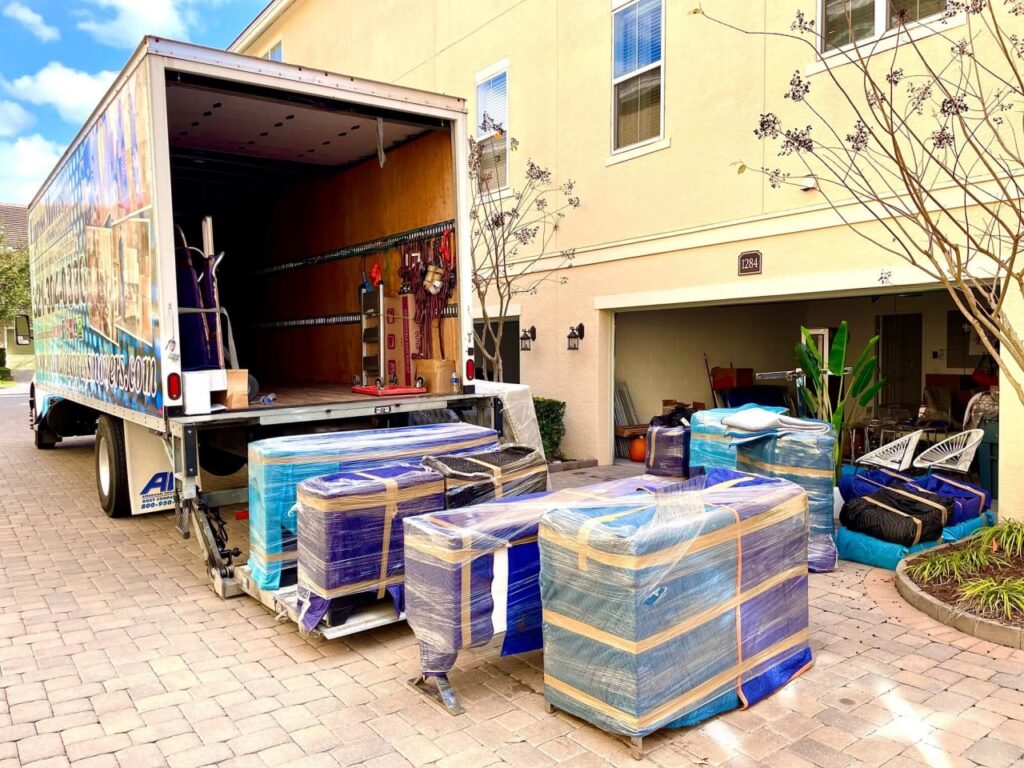
At Orlando Express Movers, we understand that moving with a disability requires patience, planning, and specialized care. Our crews are trained to handle medical equipment, maintain clear pathways, and work at a pace that respects your needs.
We offer full-service packing and unpacking, medical equipment transport coordination, flexible scheduling around medical appointments, clear communication throughout the process, and transparent pricing with no hidden fees.
Contact Orlando Express Movers today for a free quote on your accessible move in or to Orlando.